
in the modern business environment, choosing the right server hosting plan is critical to the success of your business. as an important hub of global internet infrastructure, the united states provides many types of hosting server equipment. this article will conduct a detailed analysis and performance comparison of these devices to help enterprises make informed decisions.
physical server
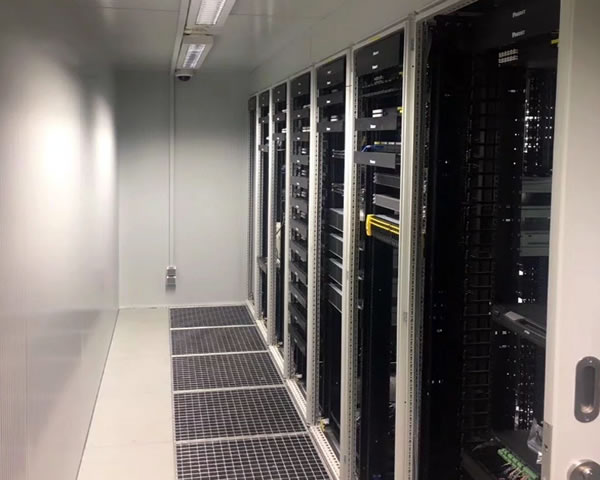
physical servers are the traditional type of hosting servers, where businesses rent or purchase standalone server hardware. this type of server typically provides the highest performance and security and is suitable for resource-intensive applications and high-traffic websites. the main advantage of a physical server is its dedicated resources, which give the user complete control over hardware configuration and operating system selection. however, physical servers are expensive to maintain and limited in scalability.
virtual private server (vps)
virtual private server (vps) uses virtualization technology to divide a physical server into multiple virtual independent servers. each vps has its own operating system, resources and configuration, providing higher performance and flexibility than shared hosting. vps are generally more cost-competitive and suitable for small and medium-sized businesses and users who want some control but don't want to bear the full cost of a physical server. disadvantages include the potential for performance fluctuations due to shared physical resources.
cloud server
cloud server is a hosting solution that has emerged in recent years. based on cloud computing technology, users can obtain computing resources on demand. the main features of cloud servers are high scalability and flexibility, and users can adjust resource configuration at any time as needed. in addition, cloud servers usually have good redundancy and fault tolerance, making them suitable for applications requiring high availability. nonetheless, the complexity and potential security risks of cloud services also require careful consideration by users.
hosted server
hosted servers mean that enterprises place their own server hardware in the data center of a hosting service provider, and the service provider is responsible for the physical maintenance and network connection of the server. this type of server is suitable for enterprises that need to manage their own hardware and software. the advantage of a hosted server is that enterprises can leverage the service provider's expertise and facilities to improve the reliability and security of the equipment. however, this solution usually requires the enterprise to have certain it management capabilities.
shared hosting
shared hosting is an affordable hosting solution where multiple users share the resources of the same physical server. this model is suitable for personal websites or small businesses and is popular for its low cost and ease of use. however, the performance and security of shared hosting are affected by other users and may not be suitable for applications that require high performance and security. users need to weigh the pros and cons when choosing shared hosting.
high performance computing (hpc) server
high-performance computing (hpc) servers are designed to handle complex computing tasks and are commonly used in fields such as scientific research, data analysis, and simulation. this type of server is equipped with powerful processors and large-capacity memory to support massive parallel computing. hpc servers are suitable for enterprises and institutions that require high computing power. although their costs are higher, in specific application scenarios, the performance improvements they bring are irreplaceable.
edge computing server
edge computing servers are an emerging hosting solution in recent years that aim to push computing and data storage closer to the data source. this solution can reduce latency and improve real-time data processing capabilities, and is especially suitable for internet of things (iot) and smart device applications. edge computing servers usually have smaller size and energy consumption and can work efficiently in distributed environments. however, the implementation and management of edge computing can be complex and require professional technical support.
performance comparison summary
when choosing us hosting server equipment, enterprises should make comprehensive considerations based on their own needs. physical servers are suitable for users with extremely high requirements on performance and security, while vps and cloud servers provide more flexible resource management solutions. managed servers are suitable for businesses that need self-management, while shared hosting is suitable for smaller websites with a limited budget. high-performance computing servers and edge computing servers provide optimized solutions for specific application scenarios. understanding the performance characteristics of various types of servers can help enterprises make decisions that are more suitable for their own development.
suggestions and summary
before selecting managed server equipment, enterprises should clearly understand their needs, including budget, performance requirements, scalability and management capabilities. it is recommended to conduct detailed market research, evaluate the advantages and disadvantages of various types of servers, and seek professional advice. in addition, choosing a reputable hosting service provider can provide enterprises with better technical support and service guarantee. through scientific and reasonable choices, enterprises can gain advantages in the fierce market competition.
- Latest articles
- Webmasters Must-see Malaysia Vps Cn2 Gia To Quickly Build A Website And Node Monitoring Solution
- Which Industries Are Vietnam Vps Independent Servers Suitable For And A Summary Of Selection Considerations?
- Technical White Paper: Cambodia Cn2 Network Architecture And Future Upgrade Direction Discussion
- Home Network Optimization Guide Routing Settings Suggestions For Which Server Ps5 Malaysia Belongs To
- Comparative Evaluation Of Malaysia Vps Cn2 Gia Domestic Cross-border Acceleration Effect And Delay Analysis
- Practical Tips For Optimizing The Performance Of VPS Dedicated Line Singapore In A Multinational Office Scenario
- Evaluate The Access Performance Of Domestic Cn2 Taiwan From The Perspective Of SEO And GEO Optimization And Propose Improvements
- A Must-read For Corporate Decision-makers: How Much Does A Korean Cloud Server Cost? Suggestions On Weighing Against Service Quality Assurance
- Hong Kong Cn2 Lightweight Deployment Process Guide From Purchase To Online
- Enterprise Buying Guide Why Renting A German Server Dedicated Line Is More Reliable Than An Ordinary Line
- Popular tags
-
How Much Does It Cost To Host A Server In The United States For Personal And Corporate Use?
this article explores the suitable range of server hosting fees in the united states and analyzes the choices of individuals and enterprises under different needs. -

Performance And Cost-benefit Evaluation Of Us Site Cluster Servers
this article conducts a comprehensive evaluation of the performance and cost-effectiveness of the us station group server to help users choose the appropriate server solution. -

How To Build An Efficient Site Group Server In The United States
this article will introduce in detail how to build an efficient website server in the united states to help you improve website optimization effects and enhance search engine rankings.